Make Your Own Customized Tote Bag Classes with Cricut
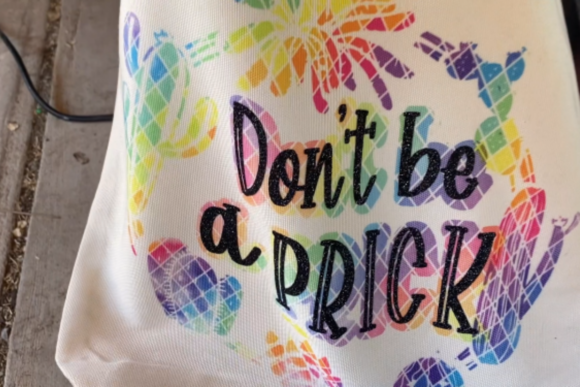
In my decade of building brand identities for creative entrepreneurs, I have learned that the most effective marketing visuals are not just seen; they are felt. Recently, I evaluated a specific design asset titled Make Your Own Customized Tote Bag, which is part of a specialized learning path involving Cricut and expert guidance from Tara Summers. As a content marketer reviewing this before integrating it into a client's seasonal campaign, I was struck by its potential to bridge the gap between DIY enthusiasm and professional aesthetic appeal.
The first impression of this asset is one of approachable creativity. It does not scream corporate rigidity; instead, it whispers "handmade" and "personalized." This emotional tone is crucial for modern small business branding, where audiences crave authenticity over polished perfection. When I visualize this asset in a real-world context, such as a summer product launch or a holiday gift guide, it immediately sets a mood of warmth and accessibility. It feels perfectly suited for lifestyle content, event promotions, and commercial marketing materials that aim to engage a community rather than just sell a product.
Integrating Design Assets into Real Marketing Campaigns
To understand the true value of Make Your Own Customized Tote Bag, imagine a scenario: A small boutique is launching a new line of eco-friendly apparel. They need to refresh their social media visuals, create Pinterest graphics, and design packaging inserts that feel cohesive yet unique. This graphic design asset serves as a versatile anchor for that workflow.
By incorporating this visual element, the brand can tell a story of sustainability and personal expression. The asset supports the narrative that every purchase comes with a touch of individuality. In a crowded digital marketplace, this kind of clear visual hierarchy helps the audience trust the brand faster. It transforms a standard promotional post into an invitation to participate in a creative process. Whether used in Instagram posts, Facebook ads, or email banners, the asset ensures that the message remains consistent across all channels without looking messy or unprofessional.
Visual Versatility Across Brand Touchpoints
The performance of this asset extends far beyond a single image. Its adaptability makes it a powerful tool for various aspects of brand identity. For instance, in packaging design, it can serve as a decorative accent on shipping labels or a sticker on boxes, adding a layer of delight to the unboxing experience. In product labels, it reinforces the handmade nature of the goods.
For digital marketers, the utility is equally impressive. It functions seamlessly as a Canva template component for creating dynamic social media graphics. You can use it to design lead magnets, media kits, or even web design headers that require a burst of personality. When paired with high-quality photography, it elevates editorial design layouts, making blog graphics look like magazine spreads. Furthermore, as a SVG design or PNG design, it offers the flexibility needed for printable promotions and event flyers, ensuring crisp reproduction at any size.
Strategic Benefits for Content Creators
Why invest time in curating assets like Make Your Own Customized Tote Bag? The answer lies in the tangible impact on campaign performance. First, it delivers a stronger first impression. In the split second a user scrolls past your feed, a well-crafted visual element stops the scroll. Second, it establishes clearer visual hierarchy, guiding the viewer's eye to the most important information without clutter.
This asset fosters better product presentation by framing your offerings within a lifestyle context. When customers see a tote bag design that looks professionally crafted, their perception of the quality of your other products rises automatically. This leads to improved audience trust and stronger recognition. Over time, these consistent, memorable campaign visuals build an emotional connection that drives loyalty. For digital sellers and online coaches, this means higher engagement rates and more shares, turning passive viewers into active advocates.
Optimal Placement for Maximum Impact
To get the most out of this design bundle, you should deploy it strategically. It excels as a hero graphic for landing pages or a campaign header that announces a new collection. As a branded template element, it can unify a series of social media covers, ensuring your profile grid looks curated and intentional. In content bundles, it acts as a visual hook for downloadable resources.
It is also ideal for promotional banners and editorial layouts where a touch of whimsy is required. Use it as a decorative brand element to break up text-heavy sections in newsletters or blogs. By placing it inside real campaign mockups during the planning phase, you can visualize how it interacts with your existing color palette and typography. This proactive approach ensures that the final output is polished and ready for immediate deployment.
Navigating Limitations and Best Practices
While this asset is incredibly versatile, a seasoned designer knows that no single element fits every scenario. There are specific contexts where Make Your Own Customized Tote Bag should be used with caution. For formal corporate branding, the playful nature of the design might clash with the desired serious tone. Similarly, in dense information layouts or low-contrast backgrounds, the details of the illustration could get lost, reducing its effectiveness.
Overly minimal brands might find the asset too busy, competing with the main message rather than supporting it. In text-heavy ads or small mobile graphics, the resolution and detail level must be checked to ensure clarity. If the design competes with the primary call-to-action, it dilutes the conversion goal. Therefore, always test the asset against competitor visuals to ensure it stands out without overwhelming the viewer.
Essential Designer Notes for Implementation
Before integrating this asset into paid campaigns or client work, rigorous testing is non-negotiable. Start by checking how it performs with your brand color palette. Does it harmonize, or does it clash? Verify its appearance in black and white to ensure it retains its shape and impact when printed on monochrome paper or viewed in grayscale.
Preview the design on mobile screens to confirm readability in smaller sizes. Compare it against serif fonts, sans-serif fonts, script fonts, handwritten fonts, and display font styles to find the perfect typographic pairing. Review the spacing and balance to ensure the composition feels natural. Finally, and most critically, confirm the commercial license. Ensure you have the right to use this commercial design in your business branding, client deliverables, and digital ads. Without proper licensing, even the best creative design can become a legal liability.
In conclusion, Make Your Own Customized Tote Bag represents more than just a simple illustration; it is a strategic tool for modern brand communication. By understanding its strengths and limitations, content creators and small business owners can leverage it to create professional branding that resonates deeply with their audience. Whether you are using it to promote a seasonal offer or building a comprehensive content kit, this asset offers the flexibility and charm needed to elevate your visual presence in today's competitive market.