Buyer Closing Checklist Template: A Designer's Real-World Embroidery Review
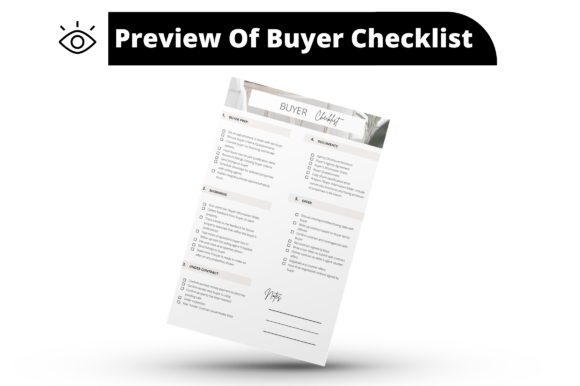
When I first opened the Buyer Closing Checklist Template, my initial reaction wasn't about the file format or the stitch count, but rather the visual personality it projected. As someone who has spent years evaluating digital assets for physical production, I look for designs that translate well from a screen to a needle. This template carries a distinct professional vibe, perfectly suited for the high-stakes world of real estate branding, yet it holds enough charm to work beautifully in a handmade craft context.
The layout feels structured and organized, mirroring the very purpose of a checklist. It isn't cluttered with unnecessary flourishes; instead, it relies on clean lines and legible typography. For an embroidery designer, this is gold. Designs that are too intricate often lose their soul when stitched onto fabric, but this one seems to balance detail with simplicity. The mood it creates is one of reliability and competence. If you were to stitch this onto a tote bag or a sweatshirt, the wearer would immediately project an image of being prepared and professional. It is a design that says, "I handle the details," which is exactly what you want your finished product to communicate.
From Screen to Stitch: A Real-Life Scenario
Let's imagine a specific scenario where I decided to test the Buyer Closing Checklist Template. I was preparing a custom gift package for a new real estate agent opening her boutique office. She wanted something unique to hand out to her clients during the closing process, but she also needed merchandise for her own shop. I chose to embroider the design onto a heavy-duty canvas tote bag. It felt like the perfect medium—durable, practical, and highly visible.
The challenge with any text-heavy design like this is ensuring that the words remain readable after the stitching process. When I placed the Buyer Closing Checklist Template in the hoop, I noticed how the spacing held up. There is no tiny, hairline lettering that risks disappearing into the weave of the fabric. The shapes are solid enough to hold a satin stitch without puckering, yet detailed enough to show off the texture of the thread. After the machine ran its course, the result was crisp. The contrast between the thread and the dark canvas made the checklist pop, turning a simple piece of luggage into a powerful branding tool.
I then considered how this might perform on other items. Imagine this same design embroidered on a baby onesie for a nursery-themed gift. The structured nature of the checklist would add a whimsical, "grown-up" touch to a baby item, perhaps as a humorous statement piece. Or, think about a kitchen towel for a hostess gift. The theme of "closing deals" could be playfully reinterpreted as "closing dinner." The versatility here is surprising for a graphic template designed specifically for agents. It transcends its original intent and becomes a flexible asset for the creative entrepreneur.
Performance Across Different Fabrics and Projects
In my experience reviewing various embroidery files, not every design survives the transition to different materials equally well. The Buyer Closing Checklist Template shines brightly on stable, woven fabrics. Whether you are working on a tote bag design, a sweatshirt embroidery project, or even a pillow cover, the structural integrity of the design ensures it looks intentional and polished.
For custom apparel, the design works particularly well on cotton blends and denim. These fabrics provide the necessary stability for the fill stitches to lay flat. However, I have to be honest about where caution is required. If you attempt to use this on a stretchy knit fabric without proper stabilization, you risk distortion. The straight lines of the checklist can easily warp if the fabric stretches under the tension of the needle. Similarly, on textured fabrics like chunky knits or bouclé, the fine details might get lost. The design needs a smooth surface to truly shine.
What about curved surfaces? Trying to fit this rectangular, grid-like aesthetic onto a cap or a hat requires careful planning. While possible, the curvature can make the text difficult to read if the angle is wrong. It is better suited for flat surfaces like aprons, kitchen towels, or embroidered patches where the geometry remains consistent. For commercial embroidery projects intended for mass production, such as small shop product lines, the consistency of this design makes it a reliable choice for maintaining brand identity across multiple items.
Navigating Technical Challenges and Visual Appeal
One of the most critical aspects of using the Buyer Closing Checklist Template is understanding how it affects the final value of your handmade product. A poorly executed design can make a business look amateurish, while a well-executed one builds trust. Because this template features clear, bold elements, it naturally elevates the perceived quality of the item. Customers associate neat, dense stitching with professionalism. When a client receives a personalized gift or a branded item featuring this design, they feel confident in the creator's skill.
However, visual appeal depends heavily on your choices regarding thread colors and stitch density. If you choose threads that blend too closely with the fabric, the checklist will disappear. High contrast is key here. I recommend testing your color combinations before committing to a full run. Additionally, pay attention to the running stitch areas versus the satin stitch sections. If the density is too high, the fabric may become stiff, especially on items like baby embroidery projects where softness is paramount. You must ensure the design doesn't create a rigid board on a garment meant to be comfortable.
There are also specific situations where you should approach this design with care. Avoid using it on thin fabrics that cannot support the weight of the embroidery, or on dark fabrics unless you plan to use a significant amount of underlay or a contrasting thread color. Small details, if present in the corners, can sometimes break down on apparel decorators working with older machines. Always verify the hoop size requirements against your available equipment to ensure the entire design fits within your machine's reach.
Practical Notes for the Embroidery Designer
Before you start stitching, there are a few non-negotiable steps to ensure success. First and foremost, always test the design on scrap fabric first. This allows you to see how the stitch density interacts with your specific material and adjust your tension settings accordingly. Check the thread color contrast by holding the spool up to the fabric; sometimes a color that looks good on a monitor fails miserably in person.
Review the stabilizer choice carefully. For a design like this, which likely involves straight lines and block letters, a cut-away stabilizer is often best for long-term durability, especially on items that will be washed frequently. Confirm whether the design includes all necessary components for both personal and commercial embroidery projects. If you are an Etsy seller or running a craft business, you need to know if you are allowed to sell finished items made from this file. Licensing terms vary, so double-check the documentation provided with the download.
Finally, inspect the small details closely. Zoom in on the digital embroidery file to ensure no stray pixels or jagged edges exist that could cause the machine to skip stitches. Create printable mockups in black and white to visualize the impact of the design without the distraction of color. Compare how it looks on light backgrounds versus dark backgrounds to ensure versatility. By taking these steps, you transform the Buyer Closing Checklist Template from a simple graphic into a professional-grade asset ready for your next big project.
Ultimately, this template offers a smart solution for designers looking to add a touch of corporate polish to their craft business. It bridges the gap between digital utility and tactile artistry, proving that a well-designed graphic template can be just as effective in thread as it is on a screen. Whether you are creating a holiday gift or building a brand for a client, this design provides a solid foundation for success.