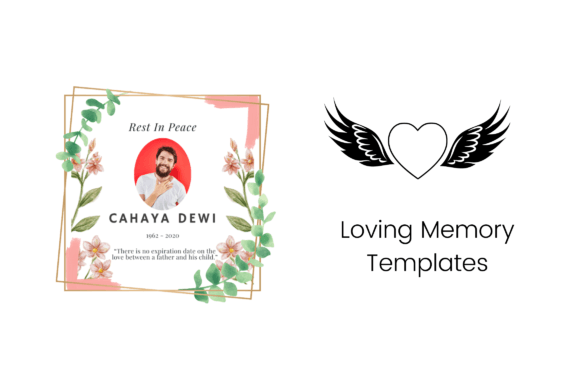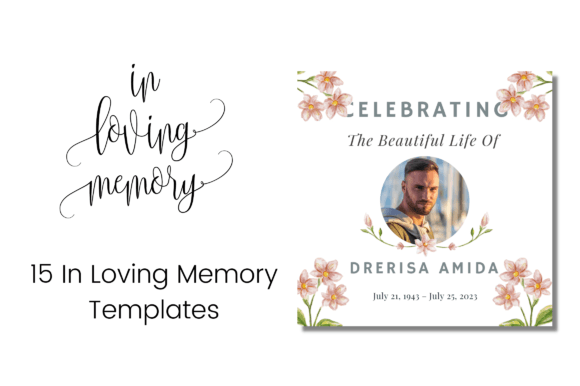
In Loving Memory for Father Embroidery Review
As a designer who has spent years stitching custom pieces for clients and managing a small shop on Etsy, I know that the difference between a good product and a great one often comes down to the design itself. When I first saw In Loving Memory for Father, my initial reaction wasn't just about how it looked on a screen; it was about how it would translate to thread. This isn't just another graphic template; it is a tool meant to honor a life, and the weight of that sentiment needs to be carried through every stitch.
The mood this design creates is immediately respectful and warm. It feels like a quiet moment in a living room or a gentle touch on a memorial service program. The layout balances text with visual elements in a way that suggests it belongs on something tangible—a soft sweatshirt, a sturdy tote bag, or perhaps a delicate baby onesie. For those of us looking for design assets that can elevate a handmade product, this file offers a solid foundation. However, before you commit to using it in your next commercial project, there are practical realities to consider regarding its execution in real-world embroidery situations.
From Screen to Stitch: A Real-World Scenario
Let's imagine a specific scenario. You are preparing a batch of custom embroidered tote bags for a local craft fair. These bags are intended as gifts for families who have lost a loved one, or perhaps as part of a boutique collection dedicated to remembrance. You select In Loving Memory for Father as the centerpiece. The goal is to create a finished product that feels professional, comforting, and durable enough to be used daily.
When I ran this design through my mental simulation of the embroidery process, I had to think about the fabric texture. Tote bags are usually made of canvas or heavy cotton, which provides a stable base. The design likely works beautifully here because the fabric can support the density required for the lettering without puckering. If you were to embroider this on a soft, stretchy material like a thin t-shirt, you might find the lines waver slightly unless you use a high-quality stabilizer. But on a structured bag, the design holds its shape well, giving the customer a sense of quality and trust in your brand.
Consider also the potential for a personalized gift. A mother might want this design stitched onto a kitchen towel or an apron for her father-in-law's workshop. The versatility of the design allows it to fit into these intimate spaces. The emotional resonance of the piece is amplified when the craftsmanship matches the sentiment. If the stitching is clean and the thread colors pop against the background, the buyer feels that their grief is being honored with care. That connection is what drives repeat business for Etsy sellers and small shop owners.
Navigating Fabric Challenges and Limitations
While the design is strong, no single embroidery file is perfect for every situation. There are specific areas where In Loving Memory for Father requires careful handling. One of the primary concerns is the hoop size. If the design includes intricate details or dense lettering, trying to fit it into a small hoop might force you to cut corners off the design, which ruins the flow of the message. Always check the dimensions before hooping.
Textured fabrics present another hurdle. If you are working with a heavily textured knit or a fuzzy fleece, the needle might struggle to penetrate the fibers cleanly, leading to skipped stitches or a muddy appearance. Similarly, dark fabrics require a strategic choice of thread colors. Without a contrasting underlay or a light-colored thread, the design could get lost in the weave of the fabric. This is especially true if the design relies on fine lines or small decorative accents that need to stand out clearly.
Curved surfaces like caps or hats add a layer of complexity. While the design might look flat and perfect on a digital mockup, the curvature of a hat cap can distort the text if not digitized specifically for that curve. If you are planning to use this for custom apparel like caps, you must ensure the design is optimized for curved stitching, or the words might appear stretched or compressed. For flat items like pillow covers, tea towels, or blankets, the design performs much more reliably.
Stitch Density and Detail Clarity
One of the most critical aspects of any machine embroidery design is stitch density. If the design is too dense, it can make the fabric stiff and uncomfortable to wear, particularly on baby clothes or lightweight garments. Conversely, if it is too sparse, the design might look weak and lack the presence needed for a memorial piece. Since this is a graphic template that may be edited, you need to review the stitch density yourself before sending it to the machine.
Pay close attention to the lettering. Tiny text can become illegible once stitched, especially if the thread color blends with the fabric or if the fabric is thick. If the design includes small decorative elements, test them on scrap fabric first. Sometimes, what looks good on a computer screen gets lost in the reality of thread tension and fabric pull. A simple running stitch might work better than a complex fill stitch for certain backgrounds, so don't be afraid to experiment with different thread colors and stitch types to achieve the best result.
Practical Notes for the Designer
If you are ready to move forward with In Loving Memory for Father, here is some advice from the trenches. First, always test the design on scrap fabric that matches your final project material. This step saves time and prevents ruining expensive inventory. Check the thread color contrast carefully; a design that looks vibrant in full color might fade into obscurity in black and white, which is a common issue with monochromatic themes.
Confirm your hoop size and stabilizer requirements. Using the right stabilizer is non-negotiable for maintaining the integrity of the design, especially on stretchy fabrics. If you plan to sell finished items, verify the licensing terms. Some digital embroidery files come with restrictions on commercial use, meaning you cannot sell the final embroidered product even if you bought the file legally. Ensure you have the rights to use this design for your craft business.
Finally, think about the presentation. A well-executed design adds value to your handmade product. Customers are willing to pay more for items that show attention to detail. By taking the time to refine the setup and choose the right materials, you ensure that In Loving Memory for Father serves its purpose perfectly: to honor a father with dignity and beauty. Whether you are creating a tote bag design, a holiday gift, or a boutique item, this template offers a meaningful starting point for your creative journey.